
NTPC TIU
The Future is Here
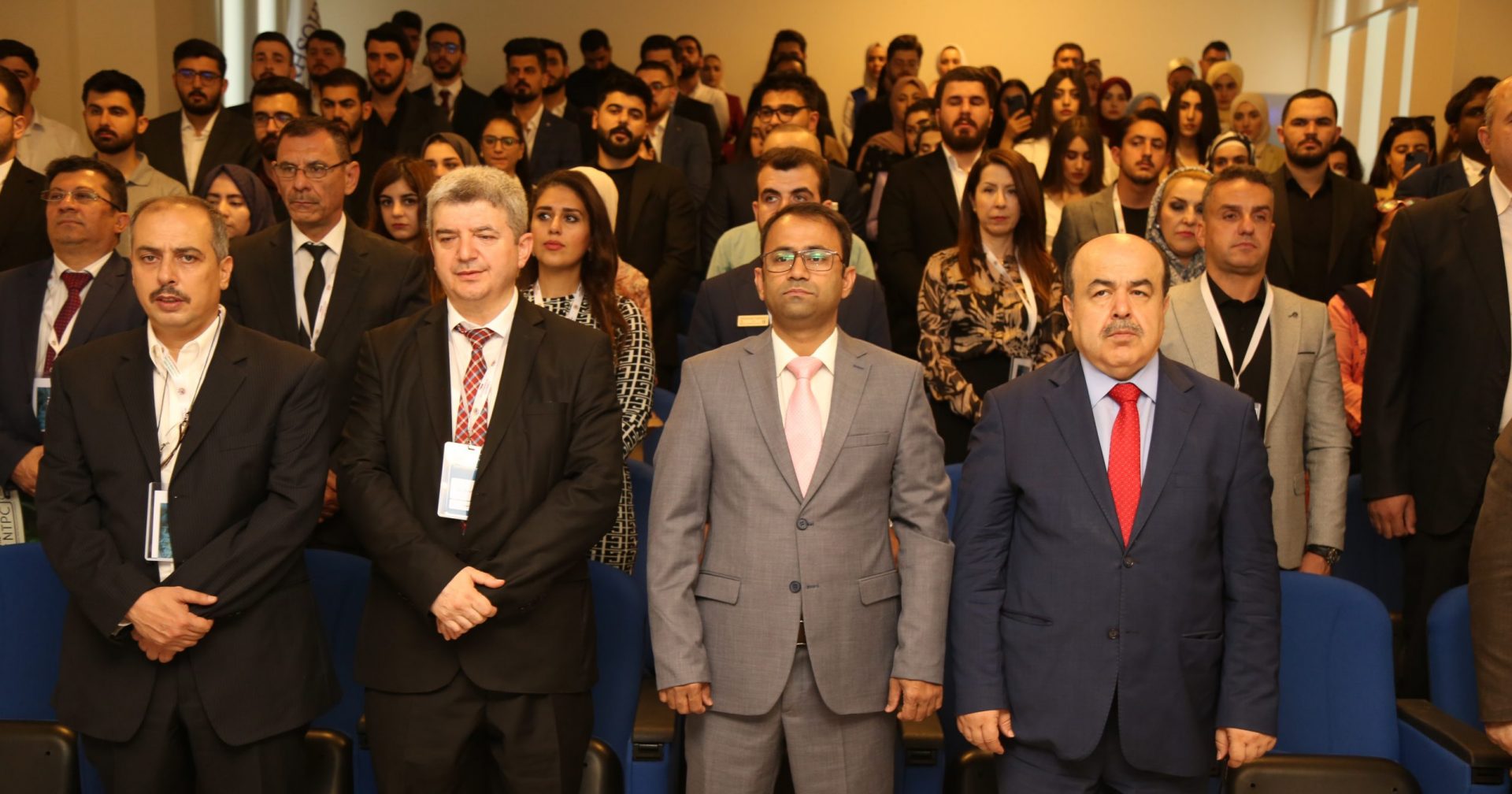
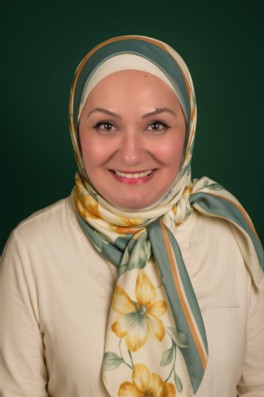
Dr. Reem Abou Assi is a pharmaceutical scientist specializing
in nanomedicine and transdermal drug delivery. She earned her
PhD from Universiti Sains Malaysia (2024) and has authored
more than 25 peer-reviewed publications at Q1/Q2, with
thousands of citations. As Principal Investigator and
Co‑Investigator, she has secured >$65,000 in grants from
international and national funders to invest in research that is
contributing to Iraqi University reputation.
Currently based in Iraq, she leads the EDEN Research Group at
Al-Qabas College, while serving on the Executive Committee
of the Global Young Academy (Germany), the International
Advisory Board of Rhine-Main Universities (Germany), and a
member of Global Universities Ranking working group of
CoARA (Brussels). She has supervised 2 PhD, 2 MSc, and 15+
undergraduate researchers to completion.
Outside the campus she employed her unique experience in
building collaboration between Global Organizations, invest in
turning thesis to products by leading a technology incubator in
a post‑conflict setting, and serving as an intergovernmental
reviewer for United Nations Environment Programme (UNEP)
GEO‑7
Dr. Reem Abou Assi is a pharmaceutical scientist specializing
in nanomedicine and transdermal drug delivery. She earned her
PhD from Universiti Sains Malaysia (2024) and has authored
more than 25 peer-reviewed publications at Q1/Q2, with
thousands of citations. As Principal Investigator and
Co‑Investigator, she has secured >$65,000 in grants from
international and national funders to invest in research that is
contributing to Iraqi University reputation.
Currently based in Iraq, she leads the EDEN Research Group at
Al-Qabas College, while serving on the Executive Committee
of the Global Young Academy (Germany), the International
Advisory Board of Rhine-Main Universities (Germany), and a
member of Global Universities Ranking working group of
CoARA (Brussels). She has supervised 2 PhD, 2 MSc, and 15+
undergraduate researchers to completion.
Outside the campus she employed her unique experience in
building collaboration between Global Organizations, invest in
turning thesis to products by leading a technology incubator in
a post‑conflict setting, and serving as an intergovernmental
reviewer for United Nations Environment Programme (UNEP)
GEO‑7
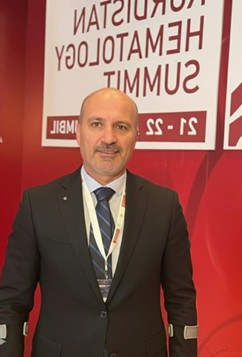
Dr. Nawsherwan Sadiq Mohammad Jabari is an Assistant Professor and Consultant in Hematopathology and Laboratory Medicine at the College of Medicine, Hawler Medical University, Erbil, Iraq. He is a Fellow of the Iraqi Board for Medical Specialization (FIBMS) in Pathology 2006, with subspecialty expertise in hematopathology.
With nearly two decades of academic and clinical experience, Dr. Jabari has played a central role in advancing hematology education and diagnostic practice in the Kurdistan Region. He has extensive teaching experience at undergraduate and postgraduate levels, covering a wide spectrum of hematology topics including leukemias, lymphomas, hemoglobinopathies, hemostasis, thrombosis, and transfusion medicine.
Dr. Jabari has supervised more than 20 postgraduate theses and has contributed to the training of numerous specialists in hematopathology and laboratory medicine. His leadership roles include serving as Head of the Pathology Department and currently as Head of the Pathology and Anatomy Department at Hawler Medical University, as well as Program Director of Hematopathology at the Kurdistan Higher Council for Medical Specialties.
His research interests focus on malignant and molecular hematology, immunophenotyping, minimal residual disease (MRD), bone marrow pathology, and platelet function disorders. He has published multiple scientific papers in regional and international journals and is an active member of several professional organizations, including the Kurdistan Society of Pathology, Iraq Society of Hematology and European Society of Hematology.
Dr. Jabari regularly participates in international conferences and specialized workshops, with advanced training in flow cytometry and coagulation disorders. He remains actively engaged in clinical diagnostics, academic development, and research initiatives aimed at improving hematological care and education.
Dr. Nawsherwan Sadiq Mohammad Jabari is an Assistant Professor and Consultant in Hematopathology and Laboratory Medicine at the College of Medicine, Hawler Medical University, Erbil, Iraq. He is a Fellow of the Iraqi Board for Medical Specialization (FIBMS) in Pathology 2006, with subspecialty expertise in hematopathology.
With nearly two decades of academic and clinical experience, Dr. Jabari has played a central role in advancing hematology education and diagnostic practice in the Kurdistan Region. He has extensive teaching experience at undergraduate and postgraduate levels, covering a wide spectrum of hematology topics including leukemias, lymphomas, hemoglobinopathies, hemostasis, thrombosis, and transfusion medicine.
Dr. Jabari has supervised more than 20 postgraduate theses and has contributed to the training of numerous specialists in hematopathology and laboratory medicine. His leadership roles include serving as Head of the Pathology Department and currently as Head of the Pathology and Anatomy Department at Hawler Medical University, as well as Program Director of Hematopathology at the Kurdistan Higher Council for Medical Specialties.
His research interests focus on malignant and molecular hematology, immunophenotyping, minimal residual disease (MRD), bone marrow pathology, and platelet function disorders. He has published multiple scientific papers in regional and international journals and is an active member of several professional organizations, including the Kurdistan Society of Pathology, Iraq Society of Hematology and European Society of Hematology.
Dr. Jabari regularly participates in international conferences and specialized workshops, with advanced training in flow cytometry and coagulation disorders. He remains actively engaged in clinical diagnostics, academic development, and research initiatives aimed at improving hematological care and education.
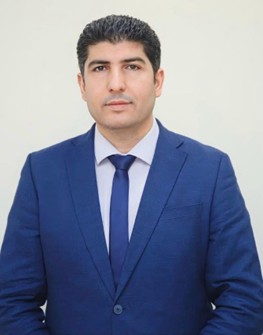
Dr. Khoshnaw graduated from the college of medicine at university of Sulaimani on 2001. He started to work in hematology since 2004, first got 2 years full time high diploma in clinical hematology (2007) then become a fellow of Kurdistan board for medical specialty- clinical hematology (2015-2020), he passed European hematology exam on 2019 in Netherlands, and then become a fellow of the Royal college of physicians of London (UK) on 2023. He is lecturer at the University of Sulaimani College of medicine. He is also working in Hiwa cancer hospital and Anwar sheikh medical city. He has 45 publications with 692 Google scholars citation as in the following link.
https://scholar.google.com/citations?user=NbtNIqEAAAAJ&hl=en
Dr. Khoshnaw graduated from the college of medicine at university of Sulaimani on 2001. He started to work in hematology since 2004, first got 2 years full time high diploma in clinical hematology (2007) then become a fellow of Kurdistan board for medical specialty- clinical hematology (2015-2020), he passed European hematology exam on 2019 in Netherlands, and then become a fellow of the Royal college of physicians of London (UK) on 2023. He is lecturer at the University of Sulaimani College of medicine. He is also working in Hiwa cancer hospital and Anwar sheikh medical city. He has 45 publications with 692 Google scholars citation as in the following link.
https://scholar.google.com/citations?user=NbtNIqEAAAAJ&hl=en
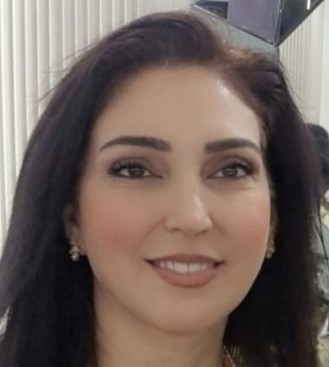
Assistant Professor Dr. Zjwan M. I. Housein earned her PhD in Molecular Physiology from Salahaddin University–Erbil and a Master’s in Biomedical Science from Radboud University Nijmegen, The Netherlands. During her postgraduate studies, she investigated chromatin remodeling in human spermatids and conducted research at Imperial College London on the impact of heavy metals on epigenetic regulation. Her academic career centers on tumor biology, molecular physiology, and epigenetics, with a strong commitment to advancing biomedical science. Dr. Housein has published numerous articles in high-impact international journals, contributing significantly to the understanding of molecular mechanisms underlying disease.
Assistant Professor Dr. Zjwan M. I. Housein earned her PhD in Molecular Physiology from Salahaddin University–Erbil and a Master’s in Biomedical Science from Radboud University Nijmegen, The Netherlands. During her postgraduate studies, she investigated chromatin remodeling in human spermatids and conducted research at Imperial College London on the impact of heavy metals on epigenetic regulation. Her academic career centers on tumor biology, molecular physiology, and epigenetics, with a strong commitment to advancing biomedical science. Dr. Housein has published numerous articles in high-impact international journals, contributing significantly to the understanding of molecular mechanisms underlying disease.
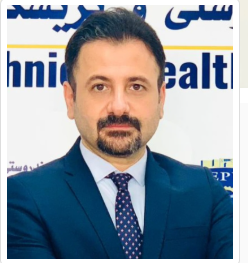
Dr. Ahmad Nawzad Hassan (b. 1983, Erbil, Iraq) is an academic at Erbil Polytechnic University specializing in molecular and medical genetics. He holds dual bachelor’s degrees in Biology and Translation from Salahaddin University, a Master’s in Molecular Genetics, and a PhD in Medical Genetics. His career began as a teaching assistant at the Medical Technical Institute, where he developed expertise in biomedical sciences and genetics. Dr. Hassan’s research focuses on genetic mechanisms underlying health and disease, with particular interest in molecular physiology, epigenetics, and translational approaches. He has published numerous articles in peer reviewed journals, with his Google Scholar profile reflecting a growing citation record and contributions to the fields of molecular biology and medical genetics. His interdisciplinary background, combining biology and translation, enriches his teaching and research, allowing him to mentor students with clarity and precision. Dr. Hassan remains committed to advancing genetic education and biomedical research in Iraq and beyond.
Dr. Ahmad Nawzad Hassan (b. 1983, Erbil, Iraq) is an academic at Erbil Polytechnic University specializing in molecular and medical genetics. He holds dual bachelor’s degrees in Biology and Translation from Salahaddin University, a Master’s in Molecular Genetics, and a PhD in Medical Genetics. His career began as a teaching assistant at the Medical Technical Institute, where he developed expertise in biomedical sciences and genetics. Dr. Hassan’s research focuses on genetic mechanisms underlying health and disease, with particular interest in molecular physiology, epigenetics, and translational approaches. He has published numerous articles in peer reviewed journals, with his Google Scholar profile reflecting a growing citation record and contributions to the fields of molecular biology and medical genetics. His interdisciplinary background, combining biology and translation, enriches his teaching and research, allowing him to mentor students with clarity and precision. Dr. Hassan remains committed to advancing genetic education and biomedical research in Iraq and beyond.
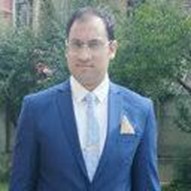
Dr. Faheem Hyder Pottoo is an Assistant Professor in the Department of Pharmacology at Imam Abdulrahman Bin Faisal University, with a strong academic and research background in pharmacology and pharmaceutical sciences. He earned his Ph.D. in Pharmacology from the University of Kashmir and has developed extensive expertise in neuropharmacology, drug repurposing, and advanced drug delivery systems.
According to his Google Scholar profile, Dr. Pottoo has an extensive publication record, with over 150 research articles, reviews, and book chapters, and thousands of citations, reflecting a significant impact in his field. His research primarily focuses on neurological disorders, including epilepsy, depression, and neurodegenerative diseases, with particular emphasis on molecular mechanisms and innovative therapeutic strategies.
He has contributed to numerous peer-reviewed studies on topics such as the role of natural compounds (e.g., thymoquinone and curcumin) in neurological disease treatment and the development of nanotechnology-based drug delivery systems to enhance therapeutic efficacy.
In addition to his research, Dr. Pottoo is actively engaged in teaching and mentoring students in pharmacology and clinical pharmacy. His work combines experimental, computational, and translational approaches, contributing to advancements in drug discovery and improving treatment outcomes for central nervous system disorders.
Dr. Faheem Hyder Pottoo is an Assistant Professor in the Department of Pharmacology at Imam Abdulrahman Bin Faisal University, with a strong academic and research background in pharmacology and pharmaceutical sciences. He earned his Ph.D. in Pharmacology from the University of Kashmir and has developed extensive expertise in neuropharmacology, drug repurposing, and advanced drug delivery systems.
According to his Google Scholar profile, Dr. Pottoo has an extensive publication record, with over 150 research articles, reviews, and book chapters, and thousands of citations, reflecting a significant impact in his field. His research primarily focuses on neurological disorders, including epilepsy, depression, and neurodegenerative diseases, with particular emphasis on molecular mechanisms and innovative therapeutic strategies.
He has contributed to numerous peer-reviewed studies on topics such as the role of natural compounds (e.g., thymoquinone and curcumin) in neurological disease treatment and the development of nanotechnology-based drug delivery systems to enhance therapeutic efficacy.
In addition to his research, Dr. Pottoo is actively engaged in teaching and mentoring students in pharmacology and clinical pharmacy. His work combines experimental, computational, and translational approaches, contributing to advancements in drug discovery and improving treatment outcomes for central nervous system disorders.
Venue of the Event: Ibn Sina Hall, room no. 400, New Pharmacy Building, TIU