5th NATIONAL TISHK PHARMACEUTICAL CONFERENCE
(5TH NTPC-2025)
Theme: “Role of Kurdish Medicinal Plants in Achieving Sustainable Development Goals (SDG-3): Good Health and Well-Being”
APRIL 21-22 , 2025, ERBIL, IRAQ
KEYNOTE SPEAKERS AND SPEAKERS
BIOGRAPHY, TITLE OF PRESENTATION AND ABSTRACT
KEYNOTE SPEAKER: 1
Prof. Azeez Abdullah Barzinjy 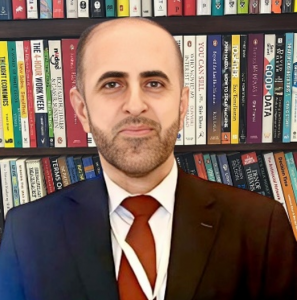
Department of Physics, Faculty of Science, Soran University, Kurdistan Region, Iraq, Email: azeez.azeez@soran.edu.iq
*ORCID: https://orcid.org/0000-0003-4009-9845
Biography
Prof Dr Azeez Abdullah Barzinjy: was born in Erbil-Iraq. He received his BSc. (Physics) and his 1st M.Sc. (Superconducting transmission line) from the University of Salahaddin-Erbil in 1998 and 2004, respectively. He did another M.Sc. (Theoretical Physics) in 2009 at Old Dominion University in USA. He completed his PhD (Materials Science) at the Materials Science Centre, University of Leicester/UK in 2014. He is currently full Professor at Soran University in Iraq. He participated in many international and local conferences as a keynote speaker, and he published more than 130 highly impact scientific articles. He has more than 2750 citations and his h-index is 29. His current research interests include Green Synthesis of Nanoparticles, NPs electroplating from novel ionic liquids and investigating their properties, solar selective coating, surface plasmon resonance and nanotechnology. He is currently supervising several master and PhD students in different universities. Recently Stanford University listed his name among 2% of the world scientists in the Materials Science Field in 2023 and 2024 respectively.
He is member of:
1- American Physical Society since 2008.
2- American Chemical Society since 2011.
3- Royal Society of Chemistry since 2011.
4- Leicester ionic liquids group since 2011.
5- International Nanotechnology association since 2019.
6- International Association for Engineering & Technology since 2020.
Title of the presentation: Harnessing Plant Power: A Sustainable Approach to Nanoparticle Synthesis
Abstract
Nanoscale materials play a crucial role in diverse fields such as environmental science, medicine, and engineering, making their synthesis a highly relevant topic. Currently, most nanoscale materials are produced using conventional chemical and physical methods. While effective, these methods often have unintended consequences, including environmental pollution, high energy consumption, and potential health hazards. To overcome these challenges, green synthesis has emerged as an innovative and sustainable alternative. This approach uses plant extracts to reduce metal ions instead of relying on hazardous industrial chemical agents, offering several advantages such as reduced costs, minimal environmental impact, and improved safety for human health and ecosystems. In this keynote speech, the latest advancements in the green synthesis of nanoscale materials will be explored. The discussion will cover the mechanisms behind nanoparticle formation, systematically explaining the roles of bioactive compounds in reducing and stabilizing metal nanoparticles. While green synthesis offers significant promise, challenges remain, including the variability of plant compositions due to geographical and seasonal factors, which can limit the consistency, yield, and purity of the synthesized nanoparticles. Despite these limitations, the benefits of green synthesis far outweigh its challenges, especially given the pressing need for sustainable and environmentally friendly approaches to nanomaterial production. This method not only addresses current environmental and health concerns associated with traditional synthesis techniques but also opens new avenues for innovation and applications across multiple industries, paving the way for a greener future.
KEYNOTE SPEAKER: 2
Prof. Dr. Salah Tofik Balaky 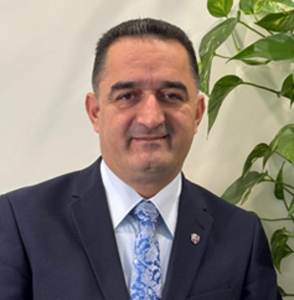
Department of Molecular Microbiology, Hawler Medical University, Erbil, Iraq, Email: salah.balaky@hmu.edu.krd
Biography
Dr. Salah Tofik Balaky is a Professor in the Department of Molecular Microbiology, Hawler Medical University, Erbil, Iraq. He has a PhD degree in Molecular Microbiology from Durham University, UK (2011). He held many positions like: Head of Medical Microbiology Department since 2018 at Hawler Medical University, Director of Carrere Development Center/ Hawler Medical University from 2016-2021, Teaching at Hawler Medical University several subjects: Molecular Microbiology, Medical Bacteriology, Microbiology, Antimicrobial, Teaching at Tishk International University. He has published several articles in National and International high-impact factor journals.
Title of the presentation: Gene expression profiling using RT-PCR in the Investigation of the Effect of Medicinal plant extracts on Toxin Gene Expression in Bacteria, Example: Salvadora persica on growth and virulence gene expressions in Streptococcus mutans.
Abstract
Dental caries is a multifactorial infectious chronic disease caused by particular bacteria and their virulence products that causes demineralization and progressive deterioration of the dental enamel. Many studies have proven Salvadora persica plant extract to have a critical antibacterial impact, particularly on cariogenic bacteria and periodontal pathogens, in the oral cavity. This study aimed to investigate the effect of different concentrations of S. persica plant extract on growth and virulence gene expressions at mRNA levels in Streptococcus mutans. Methods: A total of 191 clinical samples from tooth swabs were collected and sub-cultured on specific medium agar identified using biochemical and molecular approaches. MIC for the extract was determined and a bacterial growth curve was made to determine the growth phases and the optimum time for adding the extract at different concentrations. RT-qPCR technique was performed, and the REST-2009 software program was used for data analysis. Out of 191 swabs from the tooth 31 isolates were identified using several biochemical and molecular tests. Several S. mutans biofilm-related virulence genes and their Ct values were produced from RT-PCR under the effect of low and high doses of Meswak concentrations. Ct values and reaction efficiency were produced in RT-qPCR by Rotorgen3000, data then were analysed by REST-2009 software. Five isolates were selected to examine the effect of the extract on the mRNA levels using qPCR after growing them with both doses of the extract for about 30 hrs. Levels of virulence gene mRNA were regulated differentially in cultures with added both extract doses. The isolates produced significantly lower virulence gene mRNA levels in cultures grown with both plant extract doses. The results produced in this study here provide new insights regarding several virulence gene expressions in S. mutans at the molecular levels when grown under different concentrations of S. persica plant extract.
KEYNOTE SPEAKER: 3
Dr. Javed Ahamad 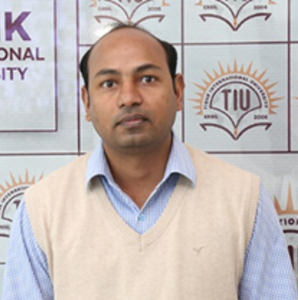
Assistant Professor, Department of Pharmacognosy, Faculty of Pharmacy, Tishk International University, Erbil, Iraq, Email: javed.ahamad@tiu.edu.iq
Biography
Javed Ahamad is an Assistant Professor at the Department of Pharmacognosy, Faculty of Pharmacy, Tishk International University, Erbil, Iraq. He received his Doctorate in Pharmacognosy & Phytochemistry from the School of Pharmaceutical Education and Research, Jamia Hamdard, New Delhi (India). After his PhD, he joined Mettu University, Mettu, Ethiopia as an Assistant Professor. He has more than 13 years of experience in academia and industry. He has worked as a Junior Research Fellow (JRF) and Senior Research Fellow (SRF). He has published more than 95 high-quality research and reviewed articles in peer-reviewed journals of international repute. His current h-index is 19 with the total number of citations of his publications >1400. He is the author/editor of 3 books (Bioactive Phytochemicals: Drug Discovery to Product Development, Bentham Science Publisher, 2021; Analysis of Food Spices: Identification and Authentication, CRC Press, 2023; and Bioactive Compounds of Edible Oils and Fats: Health Benefits, Risks, and Analysis, CRC Press, 2024) and published 54 book chapters for edited books and book series. He is a reviewer of many peer-reviewed journals of international repute. His current research interest lies in the quality control, isolation, and characterization of potential drug candidates from food products, traditional medicinal plants, fruits, and berries.
Title of the presentation: Role of Kurdish Medicinal Plants in Achieving Sustainable Development Goals: Good Health and Well-Being
Abstract
The Kurdistan Region in Iraq is surrounded by several mountains, including Zagros, Kodo, Qandil, and Halgurd on the Iran border, Korek and Safeen mountains near Erbil, and Gara and Zawa mountains in the Duhok region. These Mountains are a rich source of medicinal and aromatic plants. The Kurdish traditional diet includes many plants such as Olives, Parsley, Coriander, Ginger, Garlic, Turmeric, Cumin, Black Paper, Clove, etc., for their culinary uses and health benefits. Kurdish traditional medicinal plants have been reported for their role and potential in the prevention and treatment of many human diseases like Olive (psoriasis, diabetes, CVD, etc.), Sumac (hypertension), Rhubarb (constipation), Parsley (kidney stone, anemia), Thyme (rheumatism, digestive disorders), Walnut (diabetes, antiseptic), Fenugreek (diabetes, dyspepsia), Nettle (diabetes, cancer), Sage (cough), Basil (fever, digestive problems), Horsetail (diuretic), Watercress (diuretic, expectorant), Chicory (diabetes), etc. Besides these medicinal plants, numerous fruits, berries, vegetables, and cereal plants are abundantly growing in Kurdistan contributing to the nutrition needs and economy of Kurdistan and maintaining the environment. The presentation is about exploring the role of Kurdish traditional plants in Achieving Sustainable Development Goals (SDG-3): Good Health and Well-Being.
SPEAKER: 1
Assistant Prof. Dr. Lana Yousif Mutalib 
Assistant Professor, College of Pharmacy, Hawler Medical University, Erbil, Iraq, Email: lana.juee@hmu.edu.krd
Biography
Lana Yousif Mutalib is a pharmacist working in pharmacy college\HMU. Born and raised in Erbil city. I earned a bachelor’s degree in pharmacy from Pharmacy College-Salahaddin University 2004. Later she pursed Master in 2010 and Ph.D. degree in 2020 in Pharmacognosy at Pharmacy College, HMU. I have been in Pharmacy college\HMU since 2006 filling different academic and executive positions. She is a member in Hawler pharmacists’ syndicate.
Title of the presentation: Complementary and Alternative Medicine.
Abstract
Medicinal plants are an integral part of traditional and complementary medicine systems worldwide. They are often used alongside conventional medicine to manage chronic conditions, improve overall well-being, and promote holistic healing. Herbal remedies like turmeric, garlic, and ginseng are becoming more accepted in mainstream healthcare due to their evidence-based benefits, often leading to enhanced patient care and well-being.
Speaker: 2
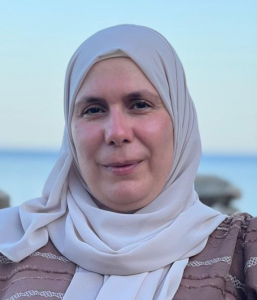
Prof. Fatma M. Abdel Bar, Department of Pharmacognosy, College of Pharmacy, Prince Sattam Bin Abdulaziz University (PSAU), Saudi Arabia, Email: f.abdelbar@psau.edu.sa
ORCID: https://orcid.org/0000-0003-0823-4015
Biography
Prof. Dr. Fatma M. Abdel Bar is a Professor of Pharmacognosy at both Prince Sattam bin Abdulaziz University (PSAU) in Saudi Arabia and Mansoura University in Egypt. She earned her Ph.D. in Pharmacognosy through a joint program between Mansoura University and the University of Louisiana at Monroe, USA, in 2010. She has several publications in reputable journals. She has an h-index of 18 and an i10-index of 29, with a total of 1,057 citations. Her research primarily focuses on natural products, phytochemistry, and pharmacognosy with focus on the chromatographic isolation, spectral characterization, biological evaluation, and drug discovery of bioactive natural compounds. She also used computer-aided drug design (CADD) tools to explore and optimize the interactions between natural compounds and biological targets. Her research also supports the sustainable production of valuable phytochemicals by elicitation and tissue culture techniques. Her current research focuses on validating the traditional uses of natural products through evidence-based pharmacological studies.
Lecture title “Natural Products: Challenges and Opportunities”:
Abstract
Natural products have long served as a cornerstone for drug discovery, with a significant proportion of FDA-approved drugs derived from or inspired by natural sources. However, traditional natural product research faces notable challenges, including limited availability of novel compounds, complex resupply issues, and diminishing returns from classical extraction methods. This presentation explores innovative strategies to overcome these limitations and revitalize natural product-based drug discovery. Two main approaches are emphasized: elicitation of secondary metabolites and maximizing the utility of existing natural products. Elicitation, through biotic or abiotic stressors, stimulates plant defense mechanisms, enhancing the biosynthesis of valuable phytochemicals.
SPEAKER: 3
Sawsan S. Al-Rawi 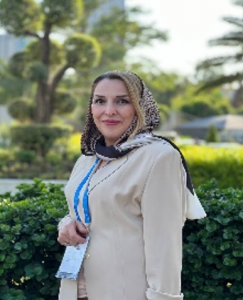
Lecturer, Biology Education Department, Faculty of Education, Tishk International University, Erbil, KRG, Iraq. Email: sawsan.hamed@tiu.edu.iq
Biography
Sawsan Al-Rawi is a lecturer at Tishk International University. She is passionate about exploring the effect of natural products in treating disease. Her research interest goes beyond that to explore the antioxidants, pharmacological and biological properties of medicinal plants, and the antiangiogenic and anticancer efficacy of natural and synthetic products. She has a track record of numerous publications in esteemed journals and is well-regarded as an invited speaker at national and international conferences. Furthermore, she serves as an editor and reviewer for several prestigious journals such as BMJ Open, Pharmacological Research & Natural Products, and others.
Title of the presentation: Natural Therapeutic Interventions for Women’s Health: A Holistic Approach to Endocrine and Hormonal Regulation
Abstract
Medicinal plants have been used in traditional medicine for centuries as a remedy to treat various health conditions. It has played an instrumental role in treating various women’s health issues and regulating hormonal imbalances. These medicinal plants contain bioactive compounds that greatly influence the endocrine system. Thus, they are natural remedies for many disorders, symptoms, and reproductive disorders. Herbs, stems, leaves, roots, and other parts of these plants act as natural remedies that are often employed to treat several health concerns in women. Several plants have been identified and their efficacy in treating or supporting hormonal balance by regulating progesterone production, while others have been used to alleviate symptoms and disorders or many health conditions, such as menopause and mood swings. In addition, these plants are traditionally used to support female fertility and enhance overall reproductive health. Recent research has verified the efficacy of traditional plants in treating women’s disorders, such as Vitex agnus-castus and Black cohosh, with clinical studies showing their capability to regulate hormones, alleviate menstrual discomfort, and treat infertility. These plants offer a holistic approach to managing women’s health by addressing the underlying hormonal imbalances that contribute to many gynecological conditions. In summary, these natural remedies offer a valuable alternative to modern pharmaceuticals for women’s health.
SPEAKER: 4
Dr. Subasini Uthirapathy 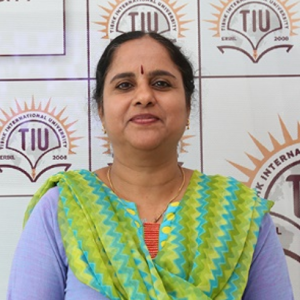
Assistant Professor, Department of Pharmacology, Faculty of Pharmacy, Tishk International University, Erbil, Kurdistan Region, Iraq, Email: subasini.uthirapathy@tiu.edu.iq
Biography
Dr. Subasini is Asst. Prof. of Pharmacology. She has completed Ph.D. in Pharmacology and Toxicology in SASTRA University, Thanjavur, Tamil Nadu, India. She has more 15 years teaching and research experience in herbal plants. She has gained knowledge of Drug Testing Laboratory in -charge for 2004 to 2008 Sponsored by AYUSH, Govt. of India. She has completed successfully funding project, as Principle investigator particularly on Leucoderma, Arthritis, and Coronary Heart disease sponsored by the Department of Science and Technology, Govt. of India and M/s. Orchid Fine Pharmaceuticals, Chennai. She undergone short term training courses on GLP Up-keep of animal house organized by DST, Govt. of India. She has published 45 research articles in national and international referred journals. She was the co-author of a text book in Biopharmaceutics and Pharmacokinetics published by New Academic Publishers, New Delhi. She has taken Patent on Rheumatoid arthritis and applied one more on Leucoderma and she is also organized International level of 31st Annual Conference of IABMS in the capacity of organizing secretary. She obtained on two occasions best paper presentation awards Dr. Yellapragada Subba Rao Memorial Award for the best research paper. She guided 46 M. Pharm, 13 MBBS theses and 4 Ph.D theses. She got Fellow of the Indian Association of Biomedical Scientists (FABMS) and External Examiner and question paper setter in various Universities.
Title of the presentation: Pomegranate as a natural remedy for gastric ulcers prevention: Gastroprotective mechanisms and pharmacological benefits.
Abstract
Gastric ulcers (GUs) represent a common gastrointestinal disorder characterized by mucosal damage and inflammation, often precipitated by factors such as Helicobacter pylori infection and the consumption of COX inhibitors. This comprehensive review investigates the role of oxidative stress and inflammation in the pathogenesis of GUs and assesses the potential therapeutic effects of Punica granatum (pomegranate, Pg) supplementation. Utilizing a series of experimental models, including indomethacin, aspirin, and alcohol-induced ulcers, we demonstrate that Pg extracts possess significant gastroprotective properties. The antioxidant activity of Pg is ascribed to its capacity to neutralize reactive oxygen species (ROS), enhance the activity of endogenous antioxidants such as superoxide dismutase (SOD) and catalase (CAT), and diminish lipid peroxidation. Furthermore, the anti-inflammatory effects of Pg are mediated through the suppression of pro-inflammatory cytokines such as TNF-α and IL-1β, in conjunction with the promotion of gastric mucosal protective agents. Histological analyses indicate that Pg extract preserves the architecture of gastric tissue and alleviates ulcer severity. These findings highlight the potential of Pg as a natural remedy for GUs, thereby necessitating further investigation into its mechanisms of action and optimal therapeutic formulations.
SPEAKER: 5
Dr. Kamran Javed Naquvi 
Assistant Professor, Department of Pharmacognosy & Phytochemistry, Tishk International University, Erbil, Iraq.
Email: kamran.javed@tiu.edu.iq
Biography
Dr. Kamran is an Assistant Professor in the Department of Pharmacognosy and Phytochemistry at the Faculty of Pharmacy, Tishk International University, Erbil, Iraq. He is a dedicated academician, researcher, and professional in Pharmacognosy and Phytochemistry. He earned his Master of Pharmacy in 2009 under the supervision of Prof. Mohammad Ali and his Ph.D. in 2015 under Prof. S. H. Ansari from Jamia Hamdard (Hamdard University, NIRF Rank 1), New Delhi, India. With over 15 years of diverse experience in teaching and research, he has made significant contributions to the field. Dr. Kamran has published 78 research and review articles in esteemed national and international journals, along with 32 ICMR monographs, three books, and ten book chapters in pharmaceutical sciences. He has actively participated in numerous national and international conferences and qualified for the Graduate Aptitude Test in Engineering (GATE), National Level exam for Pharmacy in 2007.
Title of the presentation: Ethnopharmacological Study of Medicinal Plants Used in the Kurdistan Region of Iraq
Abstract
This study provides a comprehensive scholarly overview of medicinal plants commonly used by Kurdish healers in Kurdistan. It aims to bridge the gap between traditional herbal practices and modern scientific research by comparing the traditional uses of these plants with contemporary findings. The research explores both pharmacological and non-pharmacological aspects, including recommended dosages, local and non-local medicinal applications, and other essential details. To achieve these objectives, a systematic investigation was conducted, compiling and analyzing existing scientific data on these plants. The methodology included an extensive literature review, scientific studies, and surveys with local healers to ensure a well-rounded understanding. The findings highlight the therapeutic potential of these medicinal plants, shedding light on their traditional applications and their alignment with modern scientific evidence. This study serves as a valuable resource for researchers, medical professionals, and individuals interested in medicinal plants. By integrating traditional knowledge with modern medicine, it promotes a holistic approach to healthcare. Ultimately, this research contributes to the growing body of knowledge on herbal medicine, offering insights that can benefit the Kurdish community and support evidence-based medical practices. The findings and guidelines presented here aim to enhance the understanding and application of medicinal plants in Kurdistan.
SPEAKER: 6
Dr. Mohammad Javed Naim 
Assistant Professor, Department of Pharmaceutical Chemistry, Faculty of Pharmacy, Tishk International University, Erbil, Kurdistan Region, Iraq. Email: mohammad.javed@tiu.edu.iq
Biography
He is an assistant professor in the Department of Pharmaceutical Chemistry, Faculty of Pharmacy, Tishk International University, Erbil, KRG, Iraq. With a passion for teaching and a commitment to academic excellence, He has dedicated his career to advancing knowledge and fostering critical thinking among his students. He holds a doctorate in Pharmaceutical Chemistry from India’s no. 1 Pharmacy Institute i.e SPER, Jamia Hamdard, New Delhi. Presently he holds an experience of 7 years with a good track record of publications in journals of national and international repute. He has published almost 80 research and review papers and has 2000 plus citations. He has also qualified for GPAT 2011 (Pharmacy GATE) with a percentile score of 97%. He holds expertise in the synthesis of drugs dealing with diabetes and Cancer. He is known for his innovative teaching methods and has received accolades for his contributions to the field. In addition to his academic work, He is actively involved in community service and strives to make a positive impact on society. He is a role model for students and colleagues alike, inspiring them to reach their full potential and contribute to the betterment of society.
Title of the presentation: Hyphenated Techniques: Applications in analysis of bioactive phytochemicals.
Abstract
Innovative approaches include GC-MS, LC-PDA, LC-MS, LC-FTIR, LC-NMR, LC-NMR-MS, and CE-MS, which combine a separation process and an online spectroscopic detection system. Analyzing complex biomaterials, particularly natural phytochemicals, has become easier owing to recent advances in hyphenated analytical techniques. The current section discusses hybrid methods with examples from a variety of fields, such as chemotaxonomic studies, chemical fingerprinting, herbal product quality control, dereplication, online partial compound identification, hyphenated techniques for natural product isolation and pre-isolation, metabolomic studies, and more. The hyphenated approaches, which use an LC for separation, have garnered significant attention.
SPEAKER: 7
Dr. Ahmad Hamdy Ibrahim 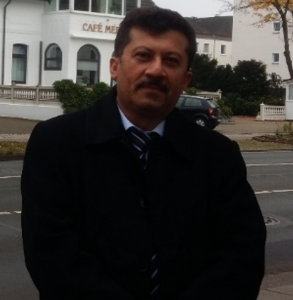
Lecturer, Pharmacy Department, Faculty of Pharmacy, Tishk International University, Erbil, Iraq. Email: ahmad.hamdy@tiu.edu.iq
Biography
Dr. Ahmad has a Ph.D. in Molecular Pharmacology, Universiti Sains Malaysia (2015). His research expertise includes gene cloning, molecular pharmacology, immunology, neuropharmacology, and drug discovery. His primary interest lies in neuroprotection and cellular signaling, particularly in developing therapeutic approaches for neurodegenerative diseases. Member, International Relations Office (IRO) Committee, Tishk International University. Member, Scientific, Organizing, and Funding Committees for conferences and workshops. Co-authored over 50 publications in peer-reviewed journals and conference abstracts. Editor for the Journal of Angiotherapy and reviewer for LWT – Food Science and Technology. Active contributor to public health literature in Kurdish and Arabic on various health issues. Dr. Ahmad is recognized as one of the top 100 researchers in the Kurdistan Region’s public universities. He has received several certificates of appreciation for his outstanding contributions to research and education. With extensive expertise in molecular pharmacology, toxicology, immunology, neuropharmacology, and gene cloning, Dr. Ahmad is dedicated to mentoring students and advancing academic development. He has held significant leadership roles, including serving as the Former Head of the Medical Education Department at the College of Medicine, Former Director of the International Relations Office at Zakho University, and currently as Head of the International Relations Office at the Faculty of Pharmacy, Tishk International University. He is also an advisory member in the student exchange programs at the Faculty of Pharmacy, Tishk International University.
Title of the presentation: Pan-Cathepsin Impact: Lauric Acid’s Role in Liver Histopathology and FVCO’s Neuroprotective Potential
Abstract
Introduction: Cathepsins, a class of lysosomal globulin hydrolases, play crucial roles in numerous physiological processes, including bone resorption, immunity, apoptosis, and angiogenesis. This study focuses on the link between Pan-Cathepsin Impact, an inflammatory mediator’s influence on physiological processes. Understanding this impact is vital for comprehending inflammation-related mechanisms and potential therapeutic strategies. Pharmacological and toxicological assessments provide insight into compounds’ health effects. Fermented Virgin Coconut Oil (FVCO), rich in lauric acid (45-50%), remains underexplored for potential liver toxicity. Fermented Virgin Coconut Oil (FVCO) is known for its antioxidant properties and widespread use. Objectives: Evaluate in vivo toxicity of FVCO in rats, assess its impact on pan-cathepsin in ischemic optic neuropathy, and study its role in preserving NF-H in the optic nerve. Methods: Sub-acute and sub-chronic studies involved oral doses (175, 550, 2000 mg/kg) over 28 and 90 days. In an ischemic optic neuropathy mouse model, ProSense750 fluorescence probe detected pan-cathepsin via Fluorescence Molecular Tomography (FMT). Mice received FVCO (100 & 200 mg/kg) resulting in 50% and 90% reductions in fluorescent signals. FVCO mitigated the reduction of optic nerve axonal protein NF-H induced by ischemia. Results & Discussion: Single Dose and Sub-acute Toxicity: FVCO, even at 2000 mg/kg, showed no toxicity. No significant histopathological differences were noted. Liver Health: Microscopic examination found no structural changes, confirming liver safety. Neuroprotective Mechanisms: FVCO exhibited neuroprotective effects, including caspase-dependent apoptosis inhibition in retinal ganglion cells, modulation of angiogenic responses, free radical neutralization, and neuroinflammation alleviation in the optic nerve. In conclusion, this abstract explores Pan-Cathepsin impact’s assessment and its significance in liver histopathology and neuroprotection. FVCO is safe, even at high doses, with no liver toxicity. Its neuroprotective actions, involving apoptosis inhibition, angiogenic modulation, and neuroinflammation reduction, suggest its potential as a neuroprotective agent.
SPEAKER: 8
Dr. Soma Majedi 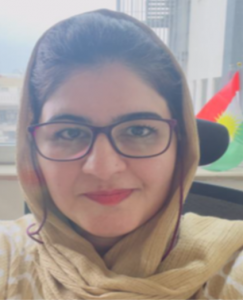
Lecturer, Department of Pharmacy, Tishk International University – Erbil, Kurdistan Region, Iraq. Email: somamajedi93@gmail.com
Biography
Dr. Soma was born in Iran. She has finished her Ph.D. course in Organic Chemistry (Biosynthesis) from Buali Sina University (2018) in Hamadan-Iran and got her master’s degree in Heterocyclic Compounds in Alzahra University (2006) Tehran-Iran. She started her academic teaching at Payam Noor University in Iran (2006) as an assistant lecturer for 6 years. She also has teaching experience in 2019 at University of Human Development (Sulaymaniyah) for 2 years, and since 2021 has been working at Tishk International University as a researcher. By conducting laboratory research, joining the forum Iranian chemical society, and writing 31 papers (getting 708 citations) on the synthesis of bioactive organic products, she has been able to take promising measures toward a bright future in which chemistry can be used more and more in the service of medical science to cure diseases. Her research interest lies in synthesis and identification of novel heterocyclic compounds with medicinal properties, oxidation reactions & polymerization, biochemistry & clinical chemistry & medicinal chemistry, quality control, metal-organic frameworks (mof), and natural products.
Title of the presentation: Synergistic Antimicrobial Effects of Kurdish Medicinal Plants: Damask Rose, Thyme, and Stachys lavandulifolia.
Abstract
Plants, through their metabolic processes, produce phytochemicals commonly consumed in traditional medicine and nutrition for their potential health benefits. This study explores the biological and pharmacological evaluation of three distinct plant species: Stachys lavandulifolia vahl (mountain tea), Thyme (Thymus vulgaris), and Damask Rose (Rosa damascena). The primary focus is on assessing the synergistic effects of combining these plants and determining their impact on antimicrobial properties. The chemical structures of active compounds derived from these plants are presented, with a detailed classification based on their properties. The extract in our study showed strong antimicrobial activity against multiple microorganisms particularly S. epidermidis and E. coli with the inhibition zone 51 and 50 mm, respectively. This analysis provides valuable insights into the potential therapeutic applications of these plants and their active compounds, thereby contributing to an enhanced understanding of their medicinal properties.
SPEAKER: 9
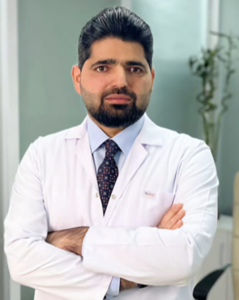
Dr. Fahad Abdulwahab Jameel
Lecturer in Hematopathology,
University of Duhok, Hematopathologist, AmrLab Medical Laboratories. Email: Fahad.jameel@uod.ac
Biography
Dr. Fahad Abdulwahab Jameel is a lecturer at the University of Duhok, and a Hematopathologist, at AmrLab Medical Laboratories. His current research interest lies in the role of AI in clinical hematology.
Title of presentation: The Role of Genetic Testing in the Development and Clinical Utilization of Targeted Therapy Medications in Cancer.
Abstract
Targeted therapy represents a significant advancement in cancer treatment, utilizing drugs specifically designed to target cancer cells without affecting normal cells. This approach has its conceptual roots in Paul Ehrlich’s “magic bullet” theory from the early 1900s. Comprehensive Genomic Profiling (CGP): Analyzes genomic alterations across multiple genes, enhancing personalized medicine. Liquid Biopsy: Non-invasive method analyzing circulating tumor DNA and cells, offering repeatable monitoring options. The integration of genetic testing and AI into cancer care signifies a monumental shift towards personalized medicine. Collaborative efforts are essential to ensure equitable access to these advanced treatments globally, particularly in regions like Kurdistan and Iraq. By fostering collaboration and communication, healthcare standards can be elevated to provide precision medicine for all patients.